Creativity plays a crucial role in education, fostering engagement and critical thinking among students. To encourage creativity in school, educators can create an environment that promotes open-ended questions and allows for experimentation. This approach not only sparks student interest but also helps them explore unique solutions to problems.
Incorporating diverse teaching methods can also enhance creative thinking. By blending traditional instruction with project-based learning, teachers enable students to connect concepts in innovative ways. This not only motivates learners but also nurtures a culture of collaboration where ideas can flourish.
Creating a safe space for sharing and discussing creative work is equally important. When students feel comfortable expressing their thoughts, they are more likely to engage in the learning process. Schools can champion creativity by recognizing and celebrating individual contributions, thus reinforcing the value of innovative thinking in the classroom.
Fostering a Creative Environment
Creating an environment that nurtures creativity is essential in educational settings. By focusing on space design and cultivating an innovative climate, schools can empower students to think outside the box and engage in creative activities.
Designing Creative Spaces
The layout of a classroom significantly influences creativity. Flexible seating arrangements allow students to choose their focus areas, whether it’s individual or group work.
Key elements include:
- Natural Light: Incorporating large windows can enhance mood and productivity.
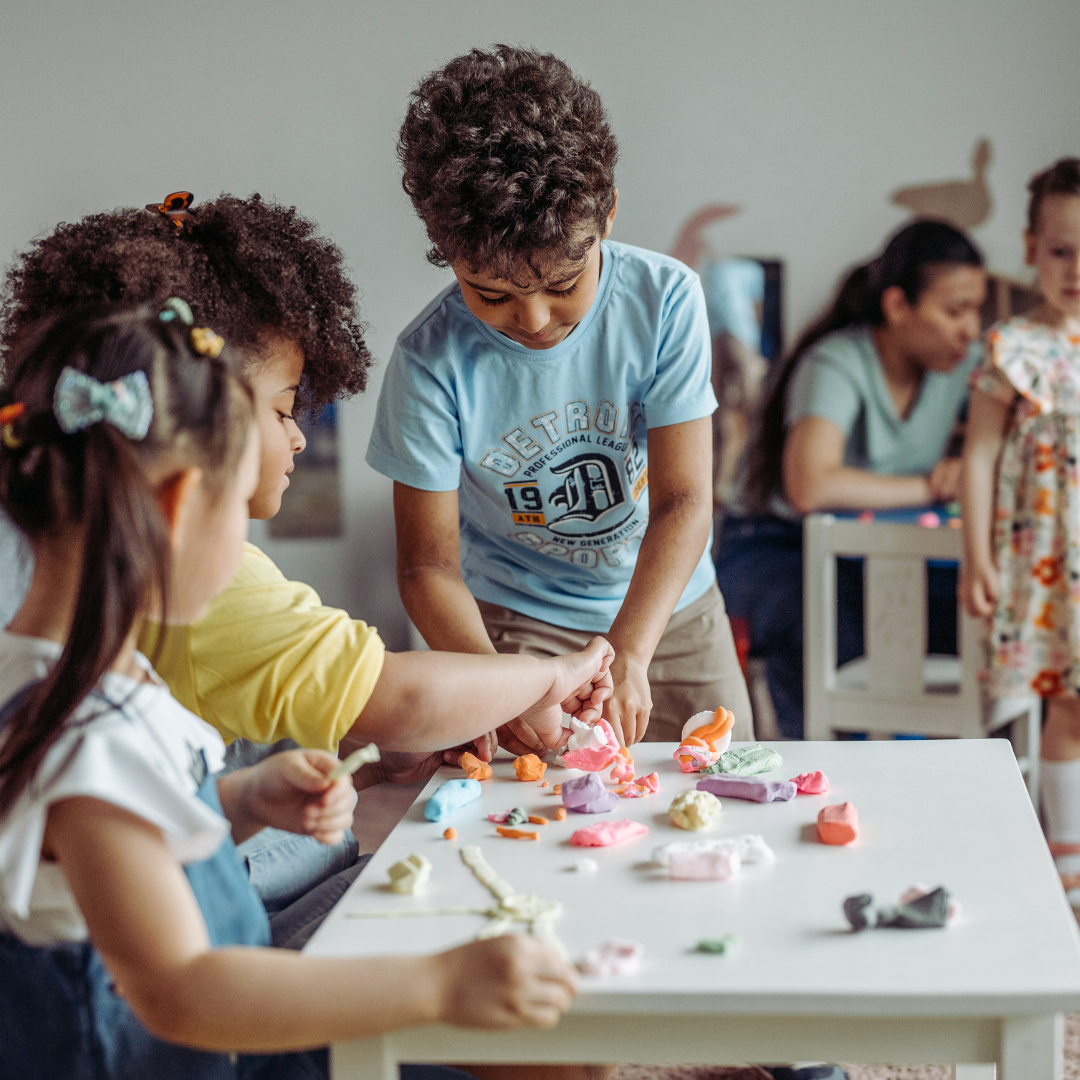
- Art Stations: Designating areas with art supplies encourages experimentation.
- Moveable Furniture: Adaptable furniture supports collaboration and varying activities.
Educators can also display student work prominently. This recognition fosters a sense of ownership and motivation. Incorporating plants and color can trigger inspiration, transforming a sterile environment into a vibrant space that promotes creative development.
Encouraging an Innovative Climate
An innovative climate thrives on freedom and openness. Educators should encourage risk-taking by allowing students to pursue projects of interest, emphasizing process over perfection.
Strategies include:
- Open-Ended Projects: Designing assignments that have multiple outcomes fosters creative thinking.
- Collaborative Groups: Diverse groupings can lead to unique ideas and shared learning experiences.
- Feedback Loops: Regular, constructive feedback encourages refinement and growth in creative endeavors.
An emphasis on intrinsic motivation can help students view learning as an adventure, not just a set of tasks. Allowing time for brainstorming and reflection nurtures innovative thinking and promotes continuous development in the education system.
Incorporating Creative Activities and Curricula
Creative activities and innovative curricula play a vital role in fostering imagination and originality in education. Embracing artistic methods and problem-solving practices can significantly enhance critical thinking skills among students.
Integrating the Arts into Education
Integrating the arts into the curriculum encourages students to express themselves creatively. This can include visual arts, music, and drama, allowing them to explore their imagination in diverse ways.
Benefits:
- Enhanced Engagement: Students often show increased interest when lessons involve creative activities.
- Improved Critical Thinking: Art education encourages them to analyze, interpret, and appreciate various forms of expression.
Practical examples include interactive art projects or theater performances tied to subjects like history or literature. These activities promote originality and enhance cognitive development by linking emotional experiences with learning content.
Developing Critical Thinking through Problem-Solving
Problem-solving activities challenge students to think critically and develop innovative solutions. This can involve group projects where individuals must collaborate to tackle real-world issues.
Approaches:
- Project-Based Learning: Students work on projects that require creative solutions.
- Games and Simulations: Incorporating scenarios that stimulate imaginative responses fosters strategic thinking.
Encouraging students to approach problems from multiple angles nurtures their creative thinking skills. This approach not only promotes academic growth but also equips them with essential life skills, preparing them for future challenges.
Promoting Individual and Collaborative Creativity
Encouraging both individual and collaborative creativity is essential in educational settings. Striking the right balance between autonomy and guidance fosters an environment where students can thrive creatively.
Balancing Freedom and Structure
To promote creativity, educators must find a balance between freedom and structure. Students benefit from opportunities to explore their interests while also needing guidance to stay focused.
In classroom activities, providing open-ended projects allows for creative expression. For instance, a project prompt can encourage students to develop their own ideas while offering specific criteria to ensure students remain on track.
Furthermore, incorporating flexible deadlines can help alleviate pressure without compromising the assignment’s intent. This approach nurtures self-awareness as students learn to manage their time and resources effectively.
Cultivating Divergent Thinking and Collaboration
Divergent thinking is critical for fostering innovation in students. Encouraging brainstorming sessions where all input is valued can lead to a flow of diverse ideas.
Collaborative projects enhance social skills, teaching students how to communicate and share responsibilities effectively. Techniques such as group discussions or peer feedback sessions facilitate the exchange of creative ideas, contributing to a richer learning experience.
Additionally, integrating team-building activities can strengthen collaboration further. Students can engage in tasks that require trust and teamwork, fostering relationships that support productive, creative ventures.
Assessing and Enhancing Creative Development
Evaluating and fostering creativity in educational settings requires a structured approach. By implementing formative assessments and utilizing research and feedback, educators can better support students’ creative growth.
Utilizing Formative Assessments
Formative assessments play a crucial role in monitoring creative development. These assessments can include:
- Project-Based Evaluations: Observing student projects to identify innovative thinking and problem-solving strategies.
- Peer Reviews: Encouraging students to provide feedback on each other’s work fosters collaborative creativity.
- Self-Reflection: Asking students to reflect on their creative process enhances their understanding of their strengths and areas for improvement.
Regular check-ins through these assessments help educators tailor their instructional strategies. This process supports students in exploring their creativity and developing their unique styles.
Continuous Improvement through Research and Feedback
Continuous improvement involves integrating research findings and feedback mechanisms into teaching practices. Educators can:
- Stay Informed: Regularly review scholarly articles and studies on creativity in education to adopt new strategies.
- Solicit Student Feedback: Creating opportunities for students to share their perspectives can highlight effective teaching practices.
- Iterate on Techniques: Being open to refining teaching methods based on observed outcomes ensures a responsive learning environment.
Implementing these approaches allows educators to cultivate an atmosphere where creativity thrives. By valuing both research and student insights, they can continually enhance their creative teaching methods.